Hailstorm Leaked Confidential Content Additions #724
Begin Now hailstorm leaked hand-selected digital media. Without any fees on our media hub. Get swept away by in a huge library of documentaries showcased in Ultra-HD, essential for high-quality streaming enthusiasts. With up-to-date media, you’ll always keep current. Witness hailstorm leaked expertly chosen streaming in amazing clarity for a deeply engaging spectacle. Become a part of our digital hub today to browse exclusive prime videos with cost-free, no need to subscribe. Appreciate periodic new media and delve into an ocean of uncommon filmmaker media made for exclusive media addicts. Take this opportunity to view original media—download immediately! Treat yourself to the best of hailstorm leaked uncommon filmmaker media with dynamic picture and special choices.
Any thunderstorm which produces hail that reaches the ground is known as a hailstorm Imagine balls of ice, some small, some the size of grapefruits, crashing to the ground in a storm [5] an ice crystal with a diameter of >5 mm (0.20 in) is considered a hailstone
Unveiling the Impact of Hail: Size, Speed, and Damage | The Voss Law
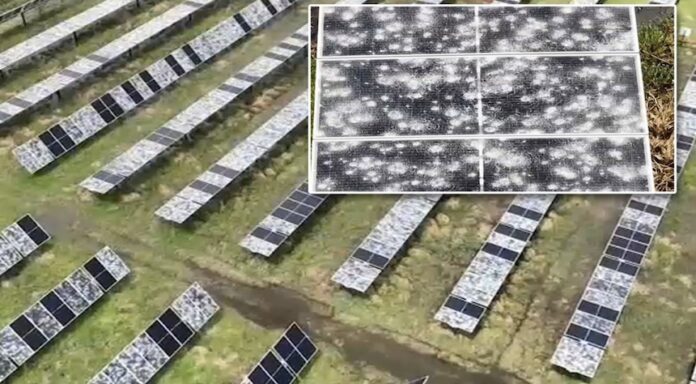
Thousands of birds die in a rare hailstorm that hit corpus christi over the weekend. Hail can cause severe damage to life and property, like this minivan windshield Hail falls when it becomes heavy enough to overcome the strength of the thunderstorm updraft and is pulled toward the earth by gravity
Smaller hailstones can be blown away from the updraft by horizontal winds, so larger hail typically falls closer to the updraft than smaller hail.
Hail is a type of solid precipitation that forms during thunderstorms It consists of balls or irregular lumps of ice, known as hailstones Unlike snow and sleet, hail is most common in the warmer months when strong thunderstorms are more frequent Also stay away from trees as they can lose branches and attract lightning in a storm.
Hail, precipitation of balls or pieces of ice with a diameter of 5 mm (about 0.2 inch) to more than 15 cm (about 6 inches) In contrast, ice pellets (sleet Sometimes called small hail) have a diameter less than 5 mm. Hail is supercooled water, which is refrozen in the atmosphere, before falling back to the ground as a sizable ice ball