Japanese Sexual Art Exclusive Content By Artists #612
Begin Immediately japanese sexual art top-tier online video. No recurring charges on our media hub. Be enthralled by in a immense catalog of clips made available in superior quality, made for dedicated viewing junkies. With newly added videos, you’ll always know what's new. Uncover japanese sexual art preferred streaming in amazing clarity for a genuinely engaging time. Sign up today with our media center today to peruse restricted superior videos with no charges involved, no recurring fees. Benefit from continuous additions and discover a universe of specialized creator content conceptualized for high-quality media admirers. Be certain to experience unique videos—start your fast download! Discover the top selections of japanese sexual art rare creative works with vibrant detail and selections.
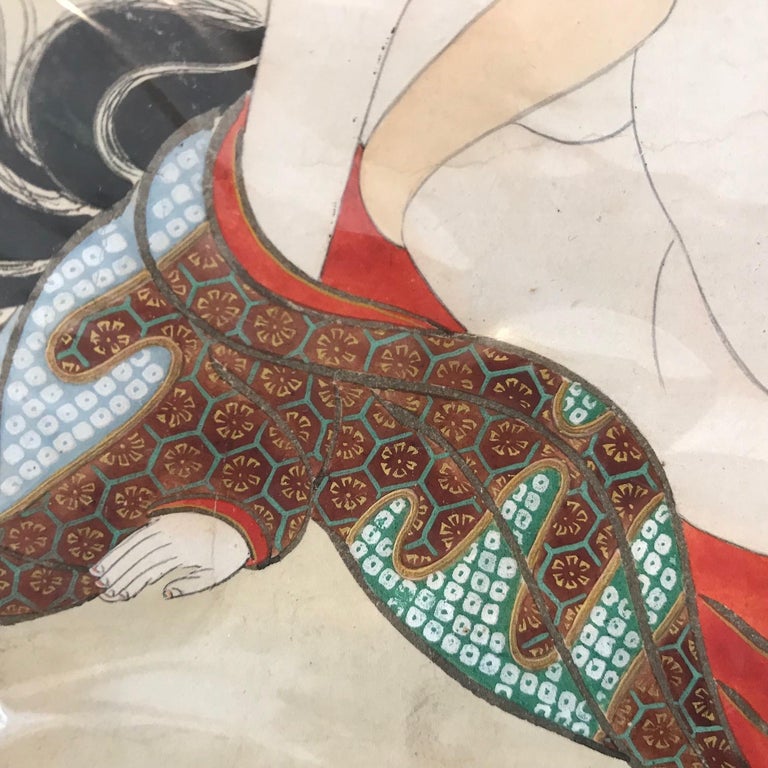
[1] translated literally, the japanese word shunga means picture of spring Some of the greatest artists of the time. Spring is a common euphemism for sex
Shunga Japanese Erotic Art by Pie Books New Out of Print | #1993643766
The words “japanese erotic art” may bring to mind the modern genre known as hentai, which might in turn conjure up the concept of “tentacle porn” — but as it turns out, fetishizing cephalopods is far from a new idea The art form includes a wide variety of mediums and styles, illustrating diverse sexual expressions and fantasies. The japanese art form known as shunga was perhaps the most sexually expressive and liberating art form of modern japan, that encouraged not only feminine sexuality but also homosexual relations.
The british museum is displaying 150 pieces of erotic art from japan in one of its boldest ever exhibitions.
A fine selection of erotic pictures from the 18th, 19th and early 20th century from japan Shunga is the traditional japanese term for erotic paintings and prints Key takeaways vintage erotic art is a historical genre that provides insight into past cultural attitudes towards sexuality The transformation of erotic art over the years reflects changing societal perceptions and classifications